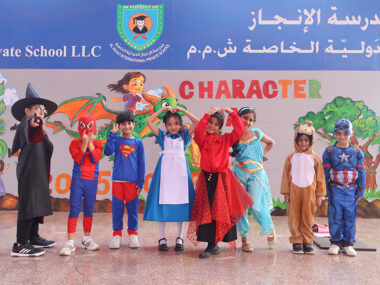
Alinjaz Blog
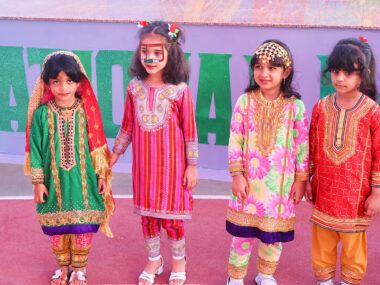
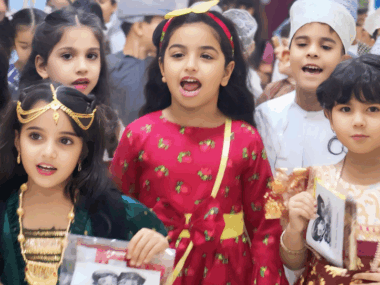
Al Injaz International Private School hosted an unforgettable Kindergarten and Section for Special Needs exhibition, a vibrant showcase of creativity, growth, and inclusive education. Through colorful artworks, interactive displays, and heartfelt participation, the event brought together students, teachers, parents, and visitors in an inspiring celebration of every child’s potential.
Opening the Doors to Inclusive Learning
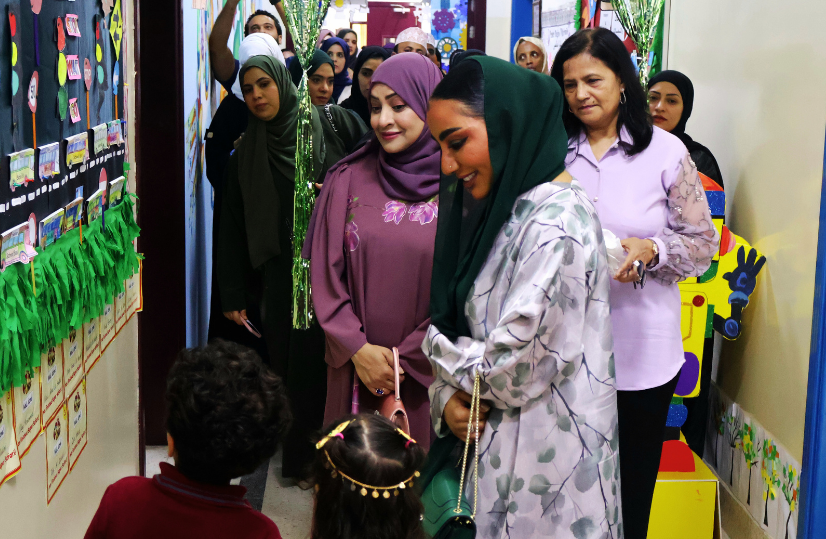
Right from the entrance, the Kindergarten and Section for Special Needs exhibition embodied Al Injaz’s deep commitment to inclusive education. The school’s kindergarten classes and its Special Needs (SSN) department joined forces to create a unified exhibition that highlighted the diverse abilities and talents of young learners. This cross‑department collaboration emphasized the philosophy that creativity and learning flourish when every child is given opportunity and support.
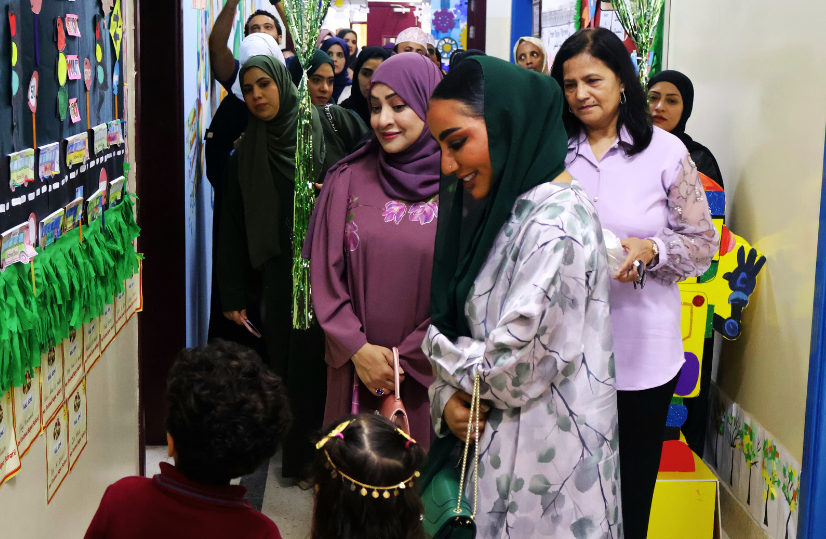
Bright, imaginative installations lined the corridors, featuring paintings, crafts, sensory displays, and storytelling corners. Each piece bore the hallmark of careful attention to individual expression. Visitors could easily see how the kindergarten and SSN students worked side‑by‑side, sharing ideas, materials, and the joy of creation. It was a deliberate celebration of accessibility, diversity, and respect for differences.
Kindergarten Creations: Innocence Meets Innovation
The kindergarten section was a whirlwind of color and imagination. From finger‑painting sea creatures to collaborative murals inspired by Arabic calligraphy and nature, the youngest students demonstrated remarkable creativity. One standout display was a “garden” made of painted paper and recycled materials—reflecting lessons on sustainability as well as art.
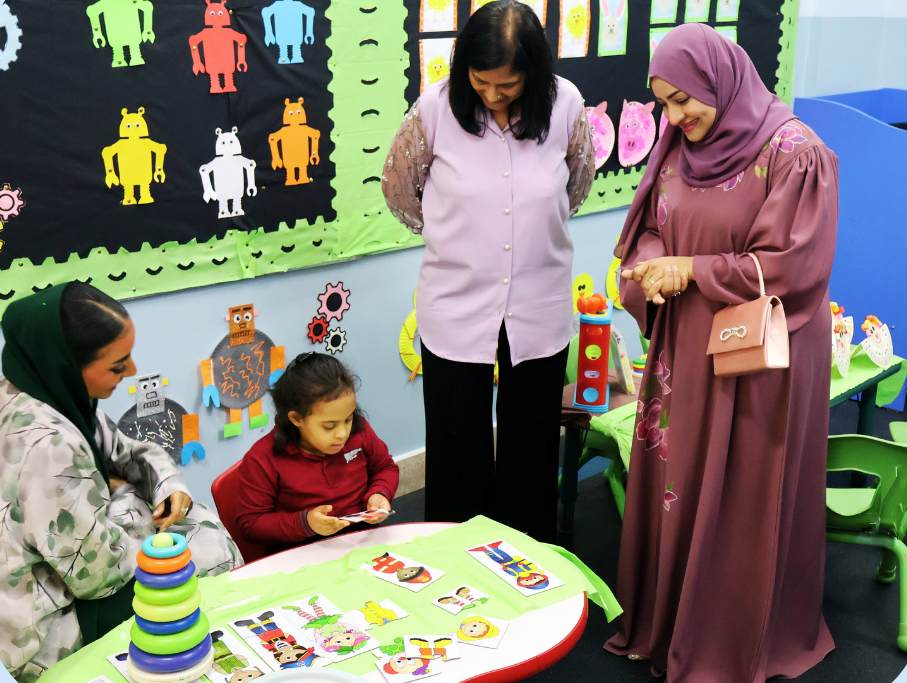
Interactive activities were woven into the exhibition. Tiny visitors could press sensory‑board buttons, trace simple shapes with finger paint, or collaboratively build a foam‑block castle. Teachers expertly guided each child, encouraging confidence, fine motor skills, and imagination. The emphasis was clear: play‑based learning fosters artistic expression and cognitive growth in an environment where mistakes are fun and exploration is encouraged.
Section for Special Needs: Talent and Triumph
The Section for Special Needs exhibition was particularly moving. Students with diverse learning requirements presented their work in craft, art, and sensory formats tailored to their unique strengths. Their displays showed stunning progression in fine motor coordination, spatial awareness, and communication skills.
Examples included tactile art created using clay and fabric, audio‑enhanced storytelling projects, and simple mechanical models built from recycled parts. One group presented colorful collages of patterns made from textured materials: sandpaper, beads, foam, fabric. Another showcased a sound‑activated board where pressing a shape triggered a recorded message or melody—highlighting both technology integration and inclusive design.
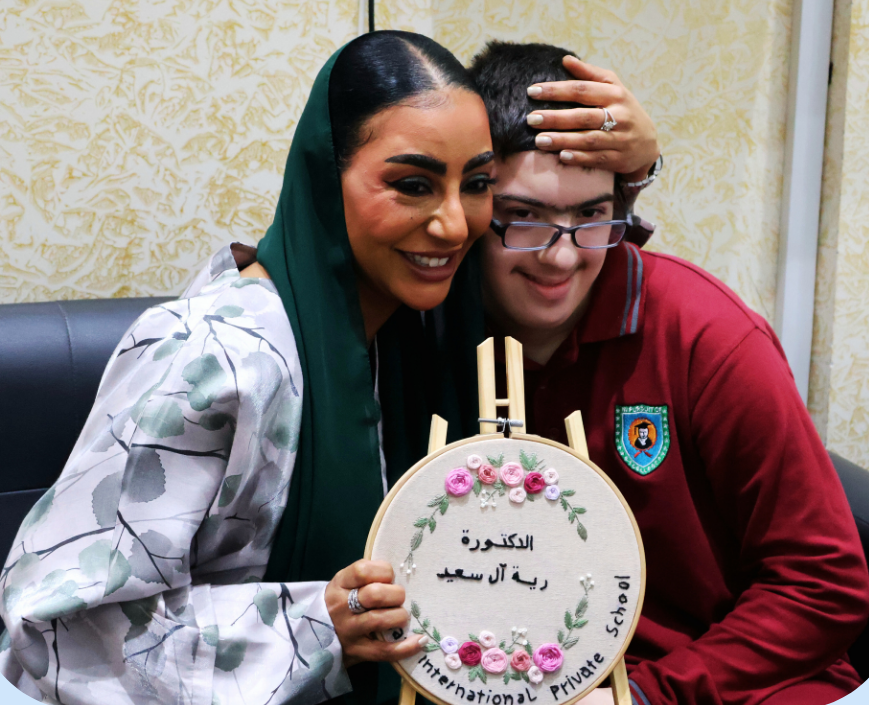
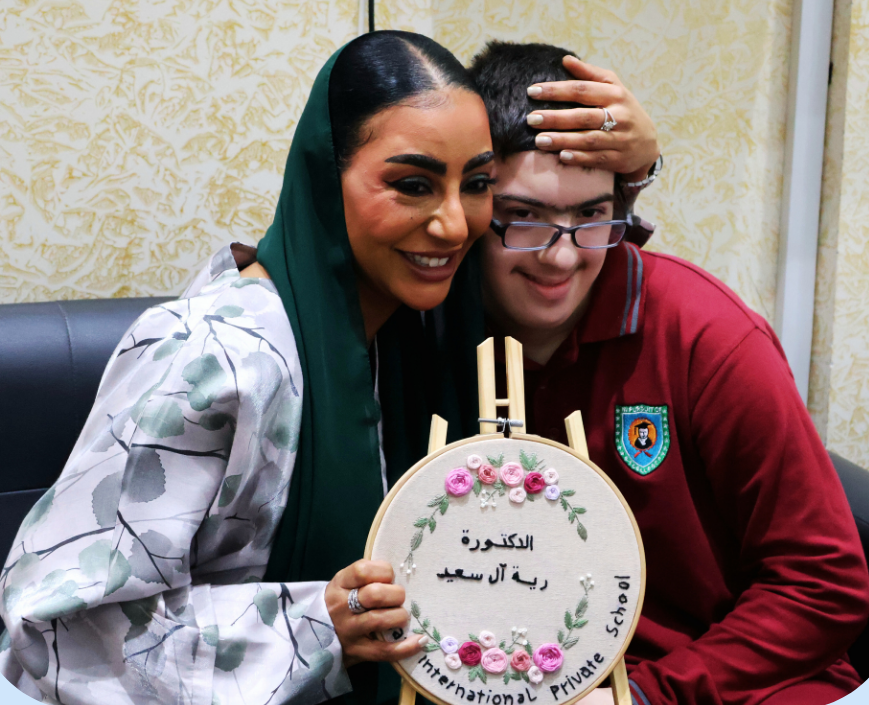
What was most striking was the sense of pride and confidence radiating from the SSN students. Teachers and aides stood by, gently supporting but letting the students guide visitors through their creations. The atmosphere was one of empowerment: each child was the star of their own exhibition.
Shared Messages in the Exhibition
Two overarching messages emerged from the exhibition:
- Inclusivity enriches education. By combining kindergarten and SSN exhibits, Al Injaz International Private School sent a powerful message—that learning thrives when children with and without special needs learn together, share ideas, and interact in meaningful ways.
- Every child’s potential matters. The school emphasized awareness of the importance of inclusivity and the possibilities inherent in every student. This was not just an art show—it was a statement about optimism, belief, and dedication to nurturing confidence, independence, and self-expression.
Visitor Engagement: Building Community Awareness
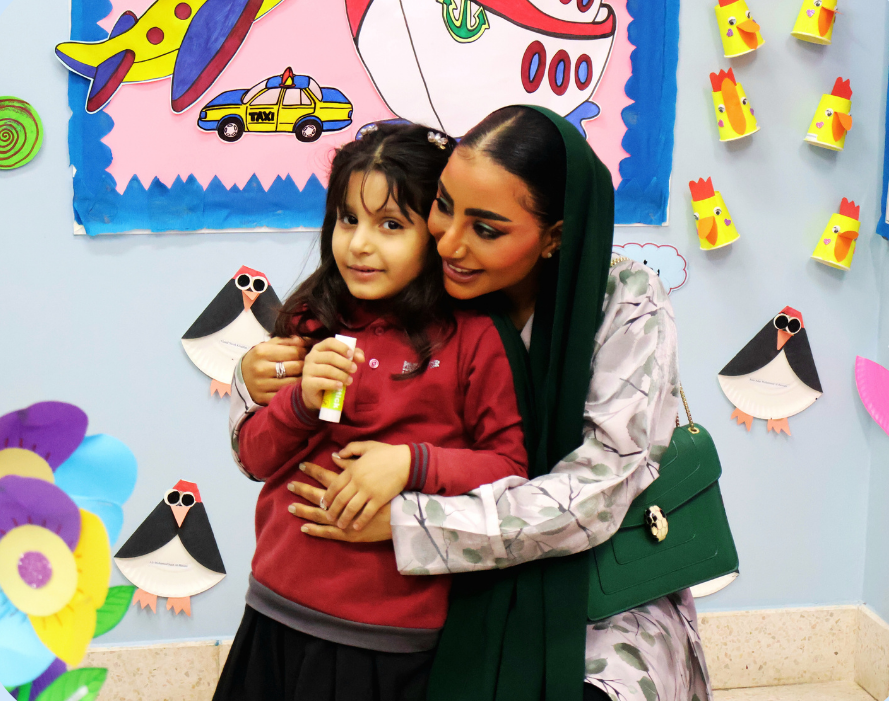
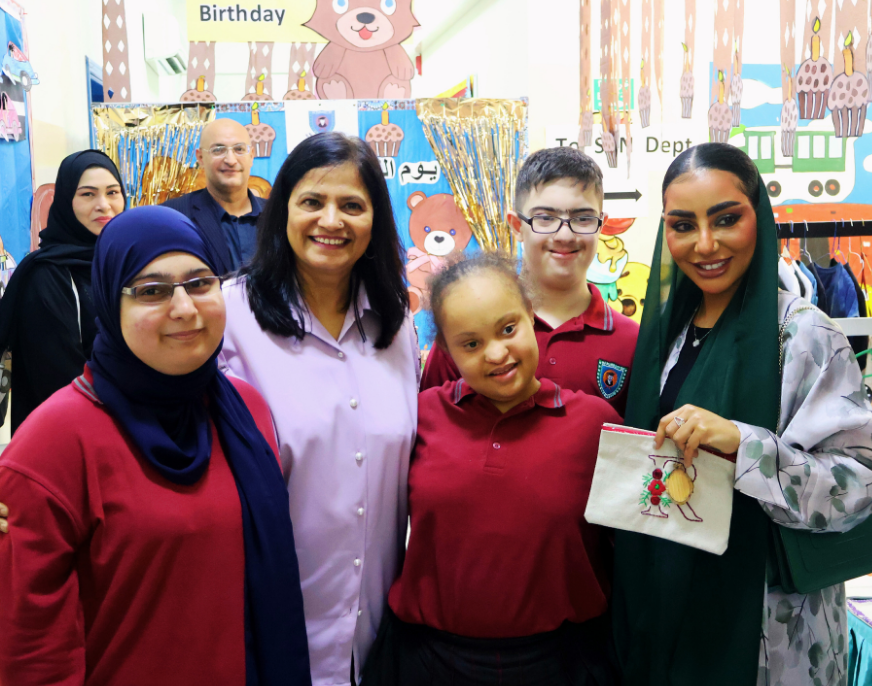
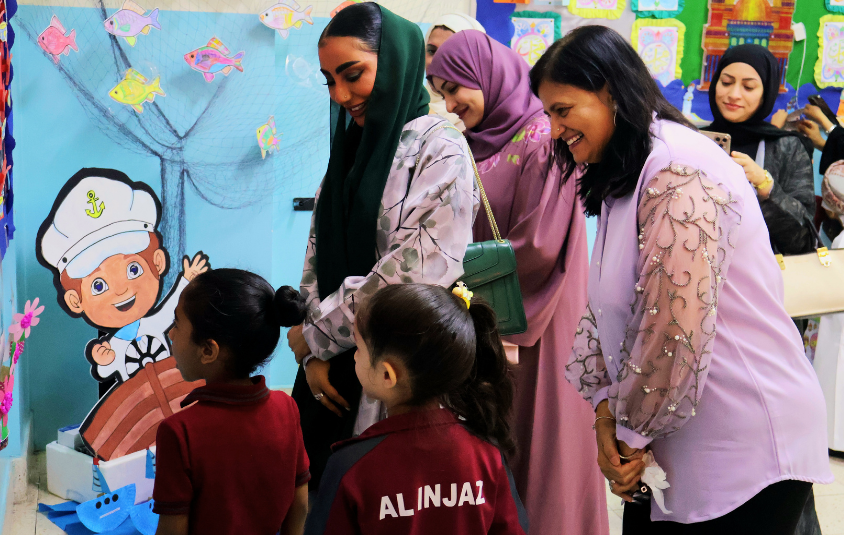
Parents, teachers, and visitors attended in large numbers, marveling not only at the students’ achievements but at the thoughtfulness behind each exhibit. Many commented on how the Kindergarten and Section for Special Needs exhibition deepened their appreciation for inclusive education.
Because each display included storytelling or interactive components, visitors spent time engaging directly—pressing buttons, listening to recorded messages, watching collaborative art pieces in action. This made the exhibition more than a visual experience; it became a sensory, educational, and emotional journey.
Discussions between teachers and parents often turned to best practices: how to encourage inclusion at home, support creative learning, and celebrate small developmental milestones. The event fostered a sense of community and mutual understanding. It was clear the exhibition helped unite families, staff, and leadership around a shared vision of inclusive schooling.
A Curriculum-Driven Approach to Inclusive Education
What made the exhibition especially meaningful was its alignment with Al Injaz International Private School’s curriculum. The Kindergarten and Section for Special Needs exhibition wasn’t just extra‑curricular flair—it was a visible outcome of the school’s integrated, curriculum‑based approach.
- Art & Craft Integration: Creative activities were tied to themes from language lessons, science (e.g., environmental themes), and culture. For example, painted flora and fauna connected to nature units in the kindergarten curriculum.
- Sensory Learning and Assistive Tech: SSN students incorporated tactile, auditory, and kinesthetic tools that reflected their Individual Education Plans (IEPs). The use of sound‑activated boards and texture‑based art reinforced the school’s emphasis on sensory inclusion.
- Collaboration and Peer Learning: Some displays were joint projects between kindergarten and SSN students. This peer working model not only increased social interaction but helped develop empathy, communication skills, and shared learning.
Teachers described their preparation process with pride: aligned lesson plans, scaffolded support, and regular collaboration between general and special needs educators ensured each child contributed meaningfully. The result was a rich exhibition that authentically represented inclusive pedagogy.
Impact and Future Aspirations
The success of the exhibition has inspired Al Injaz to consider annual or even bi‑annual showcases involving broader age groups and more collaborative projects. Staff feedback emphasized the power of visibility—when the school community sees inclusive learning in action, support grows, understanding deepens, and momentum builds.
Parents expressed interest in workshops and follow‑up sessions to bring inclusive art activities into the home. Visitors suggested inviting external experts in special education, therapy, and inclusive design to share best practices. Some recommended themed exhibitions—such as STEAM (Science, Technology, Engineering, Art, Math)—where special needs and mainstream classes co‑design projects.
Most importantly, students gained visible confidence. SSN students, once hesitant to speak or share work publicly, guided visitors through their creations. Kindergarten children articulated their creative choices. Teachers noted how proud the students were of their displayed work—and how interacting with visitors helped build self‑esteem and communication skills.
Conclusion: A Lasting Message of Unity
The Kindergarten and Section for Special Needs exhibition at Al Injaz International Private School was far more than a celebration of art—it was an affirmation of inclusive values, learner‑centered methodologies, and compassionate education.
By providing a platform for both kindergarten and SSN students to shine together, the school sent a clear message: in diversity lies strength. Inclusive education isn’t just a policy—it’s a lived experience, manifested in creativity, teamwork, and mutual respect.
As Al Injaz moves forward, this exhibition stands as a milestone—marking the evolving commitment to cultivating well‑rounded, confident individuals ready to face future challenges with optimism and resilience. It’s a model that other schools, parents, and educators can learn from—and an inspiring reminder that every child, with the right support and opportunity, can express brilliance.
For more information on admissions and program details, contact Al Injaz International Private School, Al Ansab, today!